
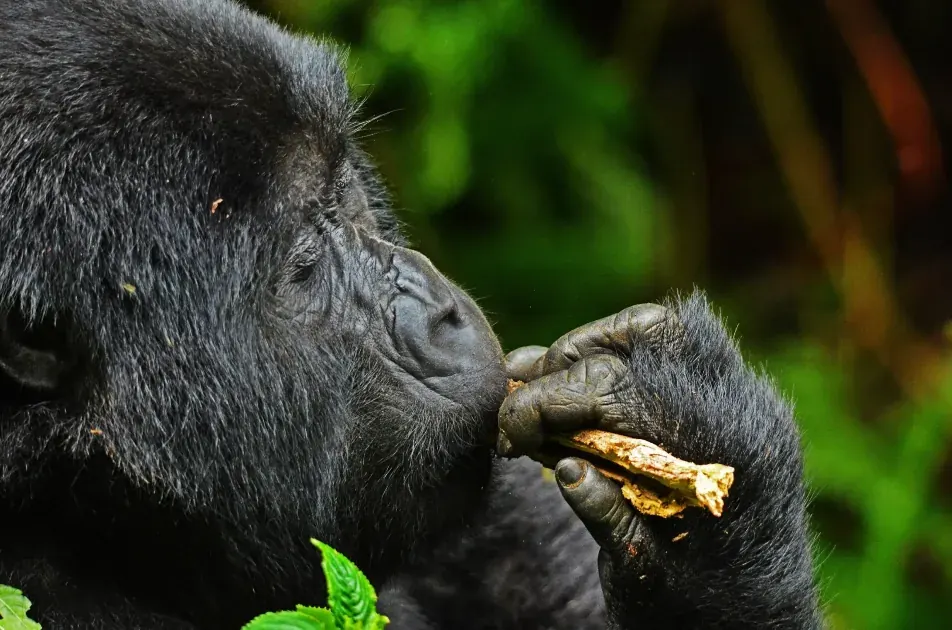
Bwindi gorilla trekking
Uganda's main gorilla park, and the reason most travellers choose Uganda at all. Dense, steep, unpredictable forest, and four separate sectors that determine everything from your lodge to your trek.
What Bwindi is
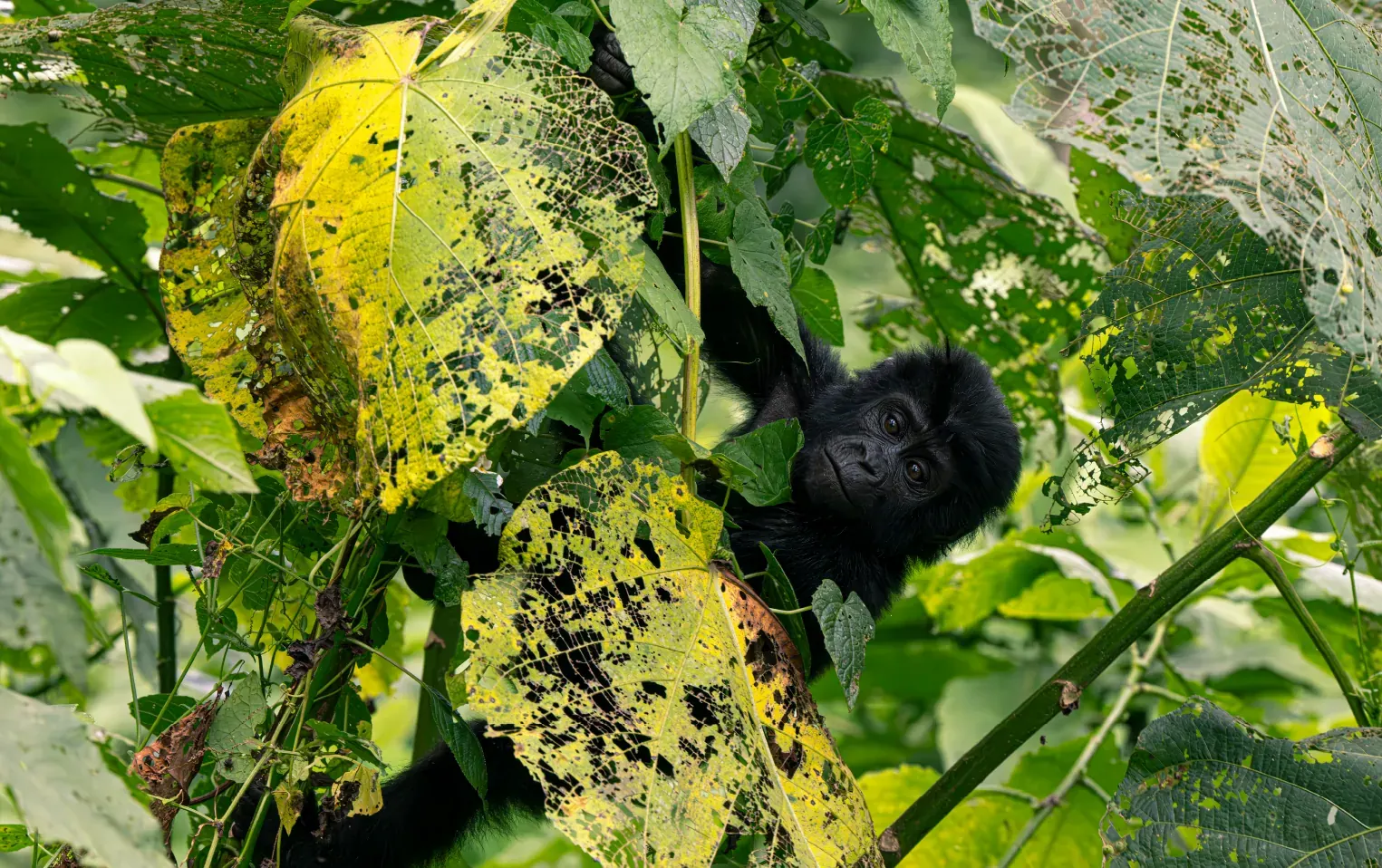
Bwindi Impenetrable National Park is a UNESCO World Heritage site in Uganda's far south-west, covering steep ridges and valleys of closed-canopy montane rainforest. The name is not marketing. The undergrowth is genuinely thick, there are no paths in the ordinary sense, and rangers cut through with machetes.
Most gorilla trekking in Uganda happens here. It is also where the four-hour habituation experience takes place, which Rwanda does not offer at all.
The four sectors, and why the choice matters
Bwindi is not one gate. It has four trekking sectors, each with its own park headquarters, its own gorilla families and its own cluster of lodges. Your permit is issued for a specific sector, so this decision determines where you sleep, how you get there and what the terrain is like. Booking a lodge in the wrong sector is one of the more expensive mistakes an inexperienced planner makes.
Buhoma
The northern sector and the original trekking base. The widest choice of accommodation across all budgets, and the best-developed community tourism around the park edge. Reached from Kihihi airstrip.
Ruhija
The eastern sector, and the highest. Quieter than Buhoma with fewer lodges. Notably good for forest birding, which makes it a strong choice if you have more than one day here. Also reached from Kihihi.
Rushaga
The southern sector, with the most habituated families of any sector and therefore the most permits. This is where the habituation experience runs. Reached from Kisoro airstrip.
Nkuringo
The south-western sector. Steep descents into the forest and a reputation for the hardest walking in Bwindi, with views over the Virungas as compensation. Also from Kisoro.
How we choose a sector for you
Availability first — permits go on a first-paid basis, so on peak dates the sector with permits left decides itself. After that: Rushaga if you want the best odds of a second trek or the habituation experience, Buhoma if you want lodge choice, Ruhija if birding matters, Nkuringo if you want the walk to be the point.
Permits
A Bwindi permit costs USD 800 per person for foreign non-residents in high season, and USD 600 in April, May and November under the Uganda Wildlife Authority low-season rate. It covers one hour with a habituated family, park entry for that day, ranger guides and an armed escort.
Two rules shape your planning. Since March 2026 permits are paid in full at the moment of booking — the old seven-day reservation hold is gone, so there is no way to provisionally hold a date. And discounted low-season permits cannot be rescheduled.
Foreign visitors book through a licensed Ugandan operator rather than direct with UWA.
The trekking day
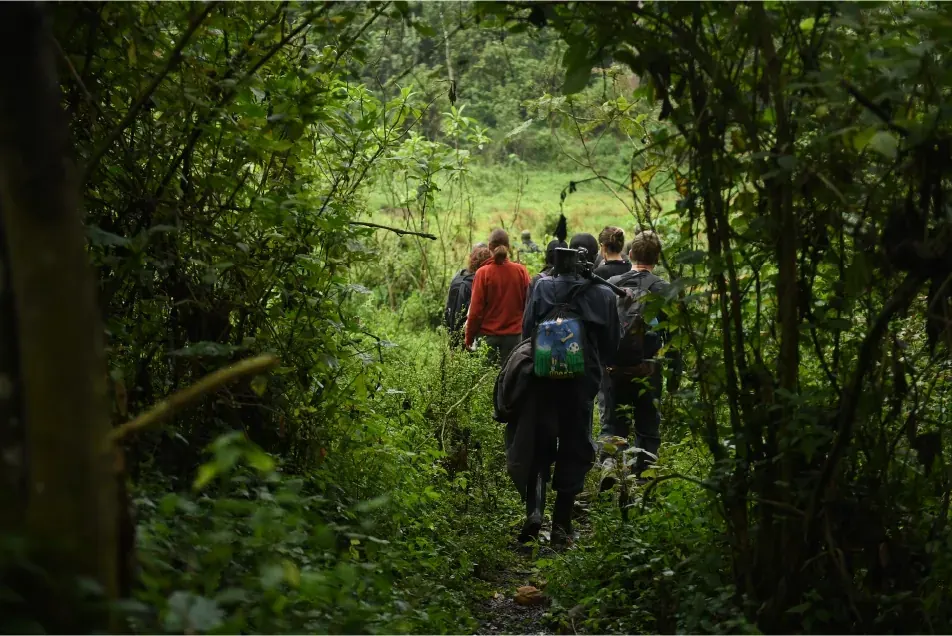
Report to the sector headquarters around 07:00. Rangers brief the group, divide trekkers between the day's gorilla families, and take note of fitness or mobility issues — say something here if you have any, because families are allocated partly on that basis and the rangers will place you where they can.
Trackers have usually been out since first light and radio the family's position back. From there you walk. Anything from thirty minutes to eight hours, and nobody knows which in advance because gorillas move overnight. Any operator promising a short trek is guessing.
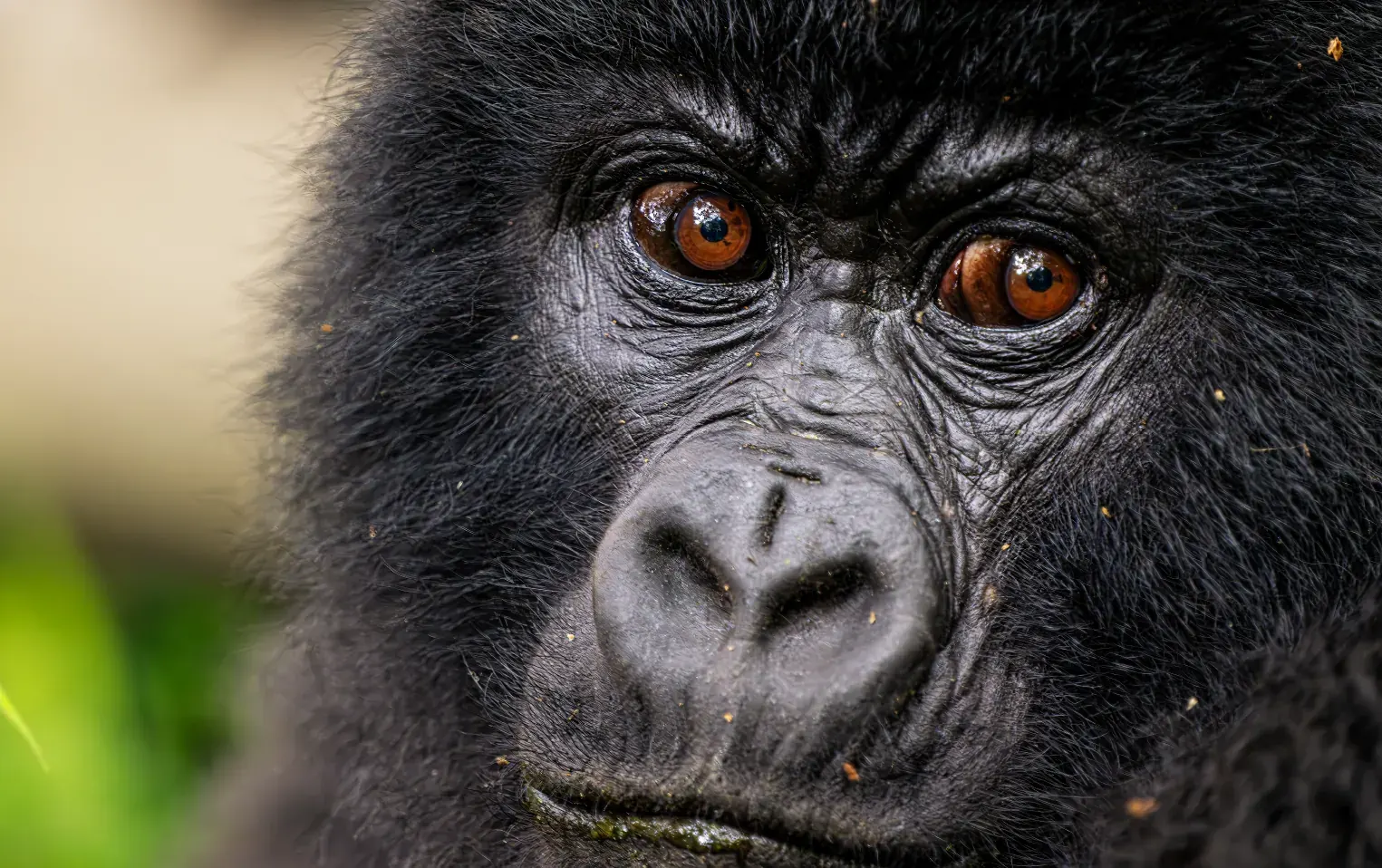
When the family is found, the hour starts. Eight visitors maximum, seven metres distance, no flash photography. The gorillas break the seven-metre rule regularly, particularly the juveniles. You are still expected to keep it.
Hire a porter at the trailhead. It costs little, they will physically haul you up the steep sections, and portering is one of the most direct ways trekking money reaches households living around the park.
How difficult is it
Harder than Rwanda, and worth being honest with yourself about. The ground is steep and frequently muddy, altitude sits above 2,000 metres, and the vegetation is genuinely obstructive. A reasonably active person who walks regularly will manage. Someone with significant knee or ankle problems may not enjoy it.
If that is a real concern, Rwanda's Volcanoes National Park has shorter and more predictable treks and we will book it instead. A badly matched trip helps nobody.
Minimum age is fifteen, enforced at the gate without exception.
More on difficulty and fitness
Getting to Bwindi
From Nairobi, fly to Entebbe — about an hour and twenty minutes. From Entebbe, either a charter of roughly 45 minutes to Kihihi or Kisoro, or six to eight hours by road. The charter is what most Kenya-combination itineraries use, because it puts Bwindi inside a single travel day from the Mara.
When to go
Trekking runs year-round. June to September and December to February are drier and make the walking easier, and are correspondingly the busiest — permits for those windows sell out six to ten months ahead. April, May and November are wetter and harder underfoot, but permits drop to USD 600 and availability is far better.
Beyond the trek
Give Bwindi two nights if you can. A second trek is the obvious use of the extra day, and travellers who do two almost always say the second was better — the first is spent absorbing the shock. Otherwise there is the Batwa community walk, forest birding at Ruhija, and Lake Bunyonyi about an hour from the southern sectors, which is the right place to spend a recovery day.
Common questions
How much is a Bwindi gorilla permit?
USD 800 per person for foreign non-residents in high season, and USD 600 in April, May and November. It covers one hour with a habituated family, park entry and ranger guides.
Which Bwindi sector is best?
Rushaga has the most habituated families and therefore the most permits, and is where the habituation experience runs. Buhoma has the widest lodge choice. Ruhija is best for birding. Nkuringo has the steepest walking. On peak dates, availability usually decides.
How long is a Bwindi gorilla trek?
Anywhere from thirty minutes to eight hours before reaching the family, depending on where they moved overnight. You then spend one hour with them.
Do I need a porter?
Not required, but strongly recommended. Porters carry your pack and help on steep ground, and the work is one of the most direct ways trekking revenue reaches households around the park.
Can I trek gorillas twice in Bwindi?
Yes. Each trek needs its own permit and you will usually be allocated a different family. Most travellers who do two say the second was the better experience.
Check Bwindi permit availability
Permits go on a first-paid basis and peak dates move quickly. Tell us your window and we will come back with what is actually available, and in which sector.